






 War
War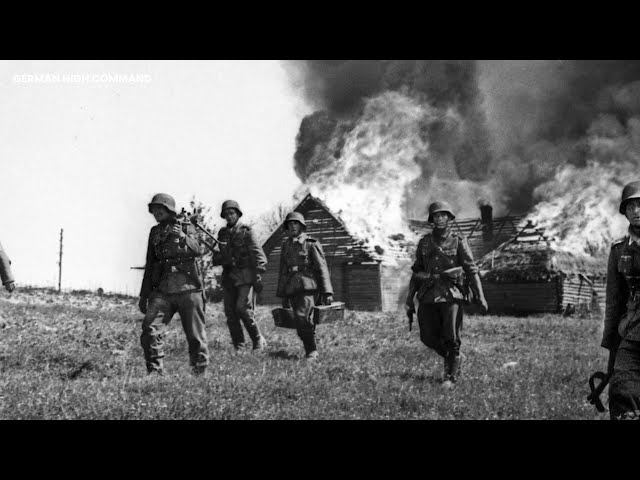 Real footage
War
Real wartime film and photographs
$0.16a minute + $0.80 a video
A 12-minute video$2.72
The AI documentary video maker for faceless YouTube channels — WW2, history and long-form stories, made from your script.
Stillscope narrates your script, finds real archive footage — or draws every picture — and edits it into a finished 1080p video, ready to upload. You never open a timeline.
Paste your script, pick a format, and press Create video — you’ll sign in with Google first.
So far — and counting
11,623,953
views on YouTube
on the videos Stillscope has made, across 79 YouTube channels
1,643
videos created
79
YouTube channels publishing them
714
hours of finished video
30 days of watching, back to back
545
made in the last 30 days
Every one of these started as a script and was made by Stillscope, in all four formats. Pick one and press play.
Pressing play loads YouTube’s player, which may set its own cookies — see our Cookie Policy. Pictures come from public archives and the wider web and are not rights-cleared for you — you are the publisher of anything you upload.
One minute of your time. Everything after that happens on its own.
One script, or a whole folder of them — they wait their turn.
It records the voice, finds or draws every picture and cuts the video. Nothing to approve along the way.
A 1080p MP4 with its YouTube description written. Turn on notifications and your phone pings when it’s ready.
No plans and no subscription. Every format has one posted price: a rate per finished minute, plus a per-video charge where the format has one.
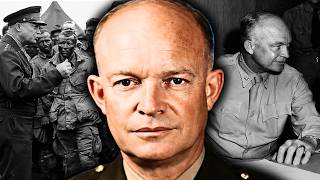
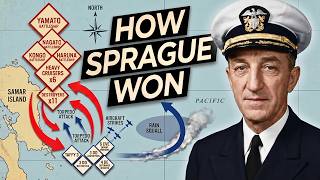
Real footageReal wartime film and photographs
$0.16a minute + $0.80 a video
A 12-minute video$2.72
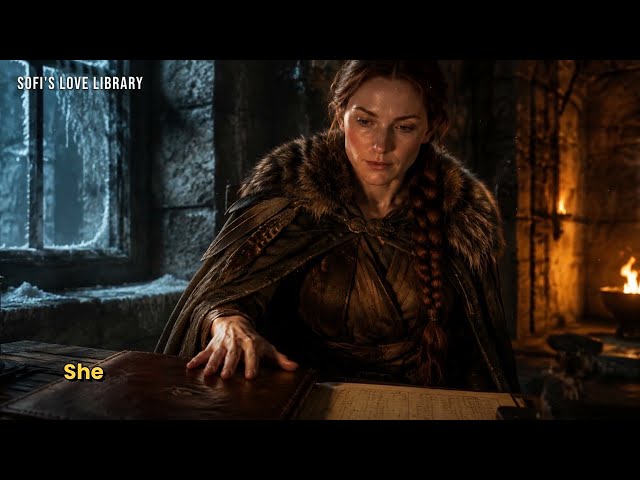 Drawn from your script
Illustrated fiction, characters kept the same
$0.11a minute
A 12-minute video$1.32
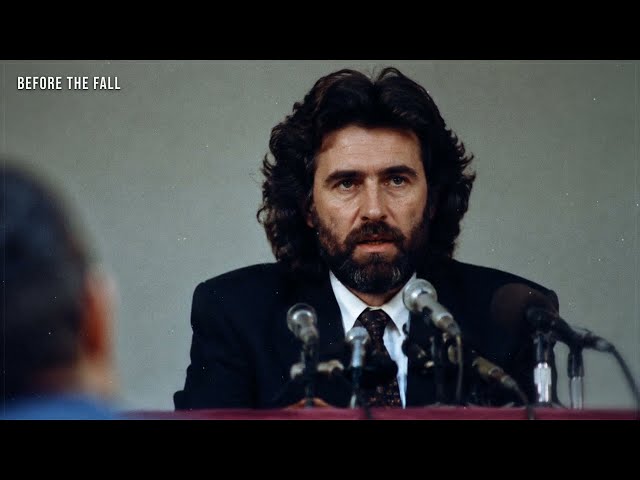 Drawn from your script
Period photographs generated from your script
$0.28a minute
A 12-minute video$3.36
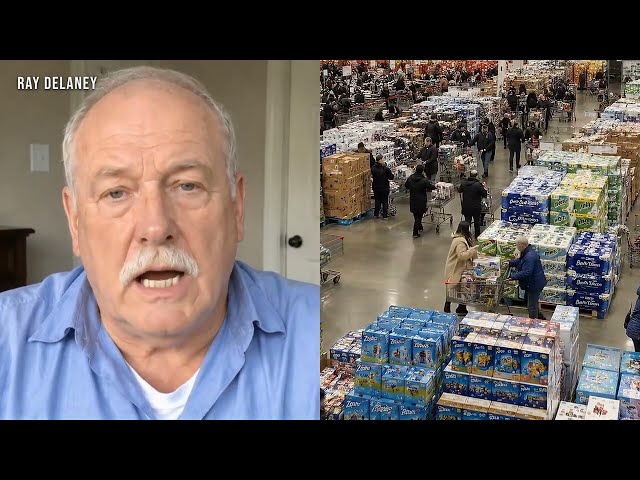 AI presenter
Your presenter, animated by AI, over real footage
$0.65a minute
A 12-minute video$7.80
 Drawn from your script
Game lore, painted
$0.10a minute
A 12-minute video$1.20
The things people ask first. Anything else, ask us from inside your account.
Ready to try it?Early access is free to join.Signing up is free.
Get early accessNo, and there is nowhere to: no timeline and no shot picker. You give it words and get back a finished video. If you want a different result, change the script and make it again.
It depends on the format. War is built from real film and pictures of the period — photographs, posters, maps — found in public archives and on the wider web, and small photographs are enlarged with AI, which can change fine details. History and Stories draw every picture with AI from your script. FaceTuber cuts between a presenter animated by AI and stock footage, with AI-made scenes where no footage exists. Game Lore paints every picture with AI from your narration, in the look of the game you pick.
As long as your script takes to read aloud. The examples above run from about 12 minutes to well over an hour. Before you press Create you are shown the estimated length, the price and when it will be ready.
Plain prose, at least 500 characters, written the way it should be spoken — no scene headings and no shot directions. Already recorded the narration? Upload the audio instead.
You can publish them on YouTube — that is what they are for — and Stillscope claims no ownership of your videos. Whether a video earns money is up to YouTube’s rules and your audience, so we can’t promise that it will. Turn on YouTube’s label for AI-made content where it asks for one, and watch each video before you post it: the pictures come from public archives and the wider web and are not rights-cleared on your behalf, and you are the publisher of anything you upload. The Terms say this in full.
With prepaid credits, and every price is shown in dollars before you spend anything. Buy them by card from the Credits page in your account: pick a pack or type your own amount, pay at checkout, and the credits land in your balance as soon as the payment goes through. The Refunds page has the details.
It costs nothing. The whole hold comes back to your balance automatically, and you can try again — a retry reuses the narration that was already made.
Yes. Invite editors into your studio and they can make videos on your studio’s credits, while the balance stays in one place.
Continue with Google to join the list. We open new accounts by hand, and we’ll email you at the same address when your studio is ready.
Continue with Google and your studio opens straight away. Paste a script, press Create, and come back to a video.
No card. No form. Just your Google account.